Choro-Qs : Oddly Scaled, Rooted in Culture
An exploration of a forgotten corner of car collecting that valued connection over perfection. This blog looks at how small super deformed pull back cars captured everyday vehicles grassroots motorsport and automotive culture at its most accessible. Through rare collaborations unlikely replicas and lived nostalgia these pocket sized models become time capsules of an era when cars were driven hard media felt closer and enthusiasm mattered more than hype or resale value.
Nathan Manalo
3/8/20264 min read
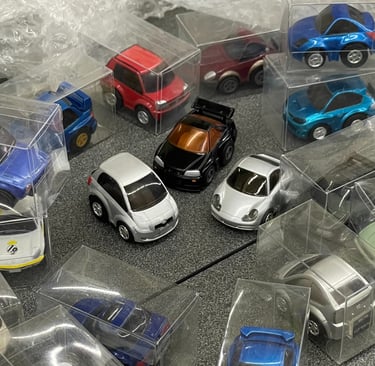
When you think of a person that likes collecting model toy cars you’ll probably think of walls covered in Hot Wheels, true scales filling the shelves and drawers — the usual. After all that’s what the market has to offer.
But for some, including myself, the charm in these models have been lost due to the shift of the overall community in the automotive scene. Now you may be asking what do I collect as a car enthusiast? Magazines? Old DVDs of Hot Version? Signed memorabilia?
Although all of these sound great to me they don’t compare to the squished cars from wayback — Choro-Qs.
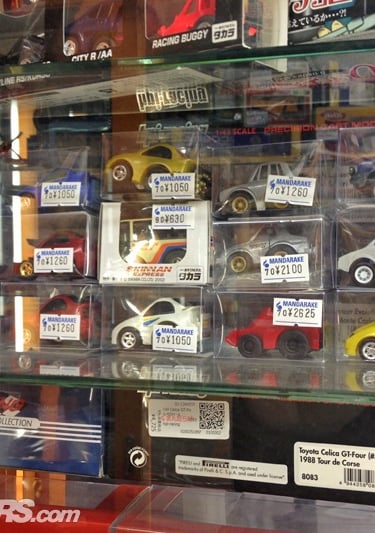
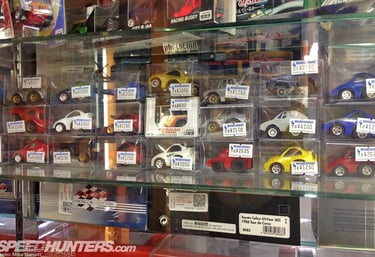
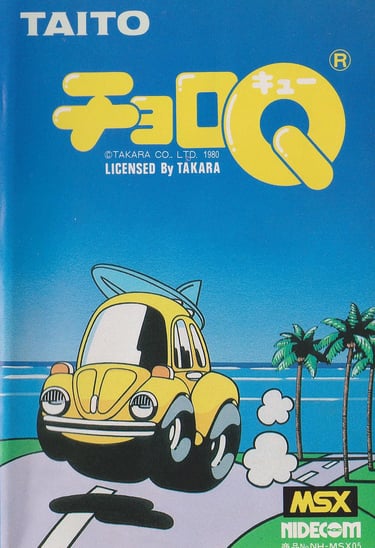
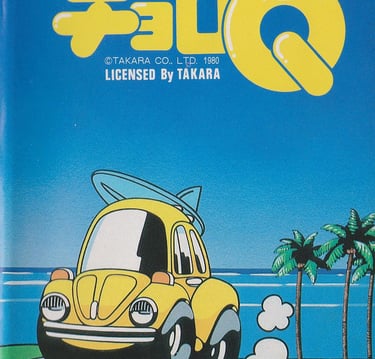
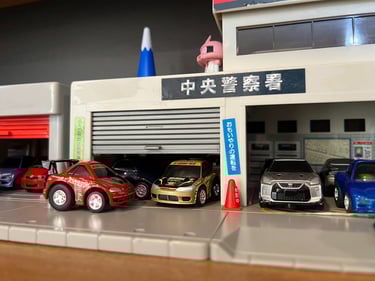
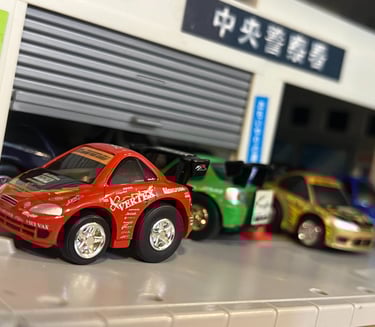
Photos from Choro Q Wiki & Speedhunters
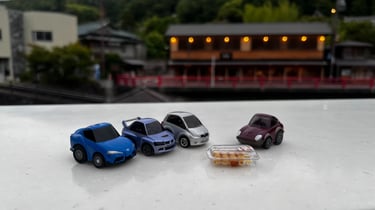
It has a cute body, down-size. Running with pullback-engine. CHOROQ gives you a lot of fun.’ That was the message that greeted you when you picked up one of these pocket rockets off the shelves back in the 2000s. Choro-Qs was a line of ‘Super Deformed’ cars produced by Takara Tomy dating way back since the late 70s.
Although I’m not super knowledgeable about the deep history of Choro-Qs as a whole, what I do want to talk about is what Choro-Q gave the car community at its peak.
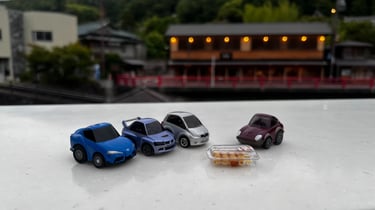
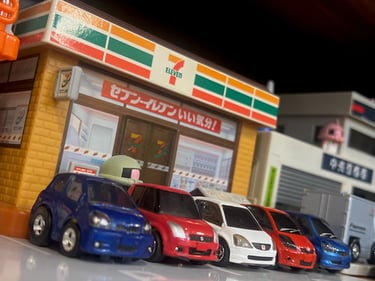
You probably noticed that Choro-Q and Tomica are under the same parent company and they both have similarities that I want to point out. One of the biggest selling points of Tomica to me was the range of cars that you could pick up. The line up was never limited to ‘Halo Cars’ that you see nowadays. You could go into the store and pick up your family’s car in 64 scale. Choro-Q had that as well!
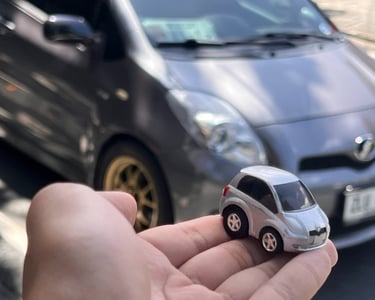
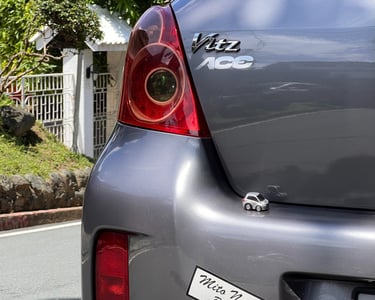
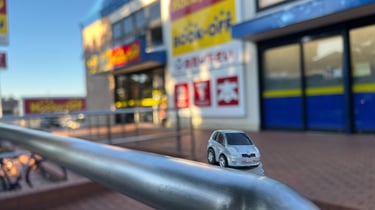
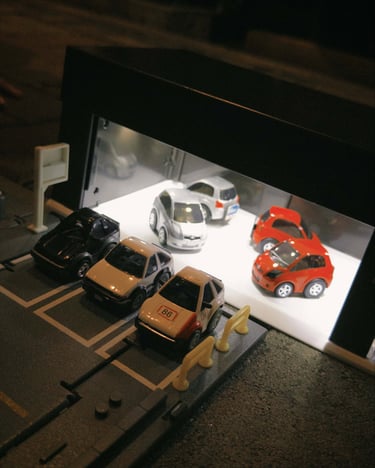
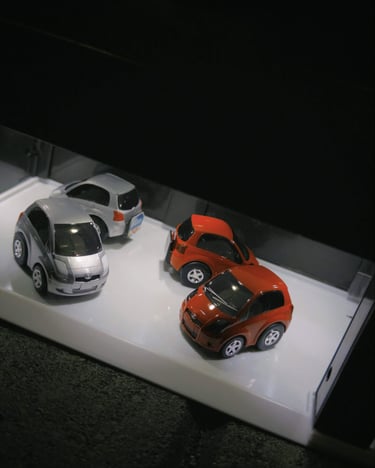
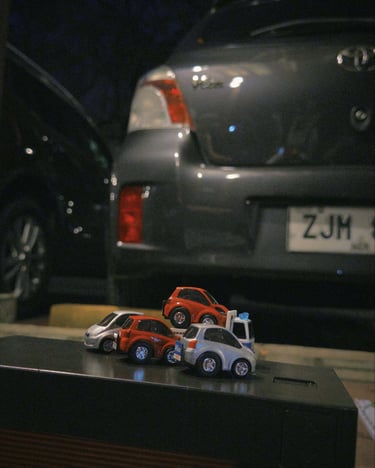
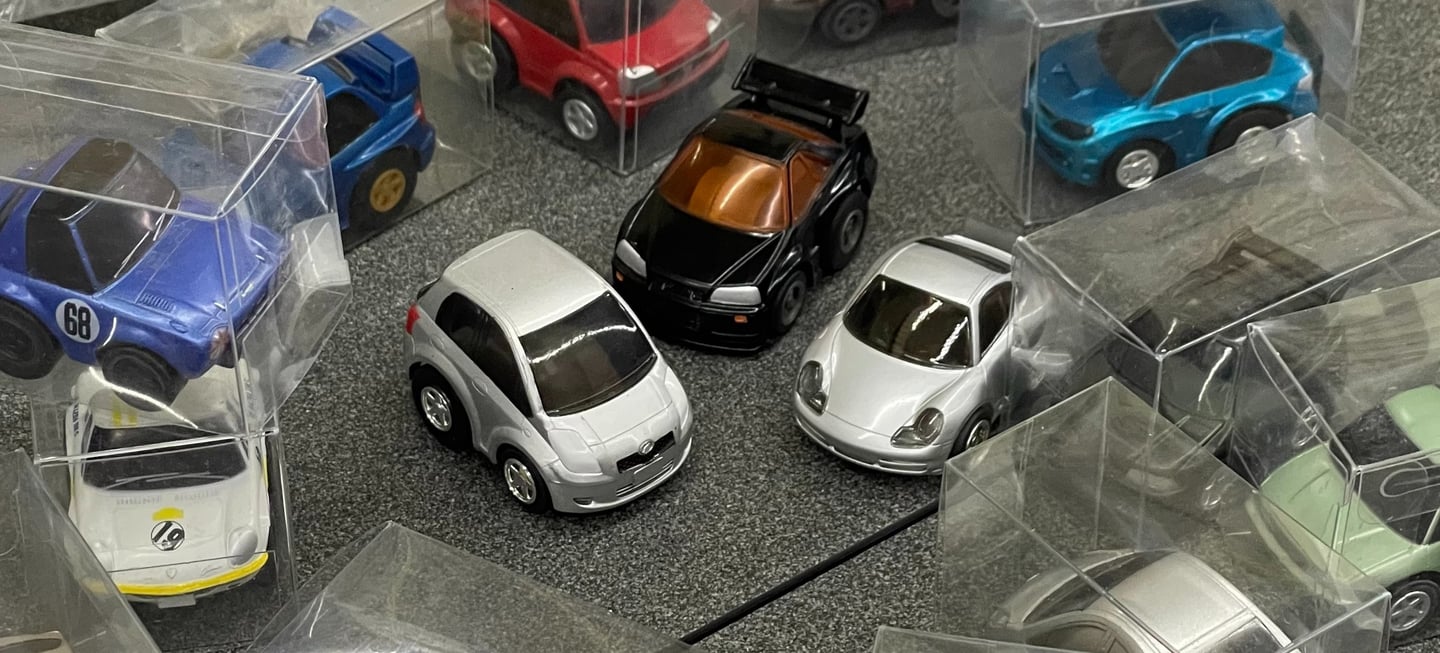
I drive a 2007 Toyota Yaris and it’s pretty obvious that getting model cars to replicate my own is a challenge. To my delight there existed a Choro-Q model of the Yaris and even of the “Vitz RS”! I was lucky enough to get my hands on these hard-to-find Qs thanks to friends locally and overseas.
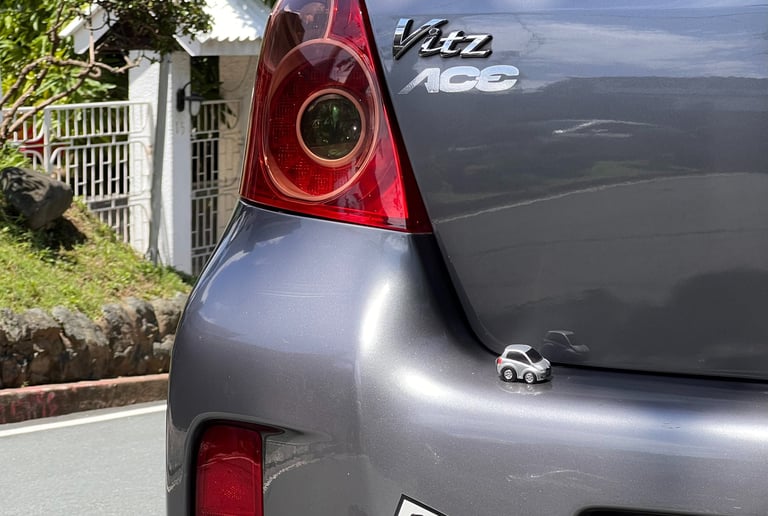
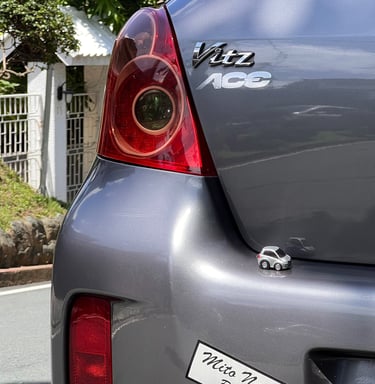
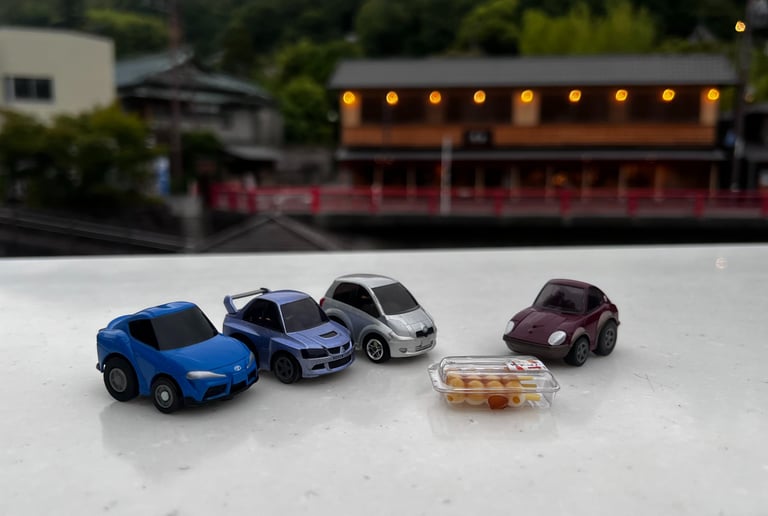
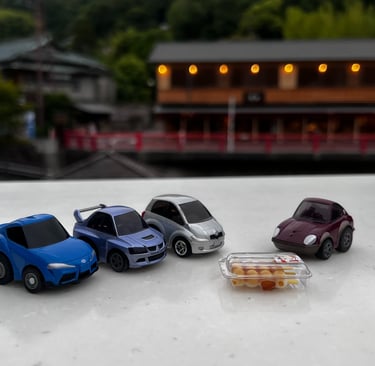
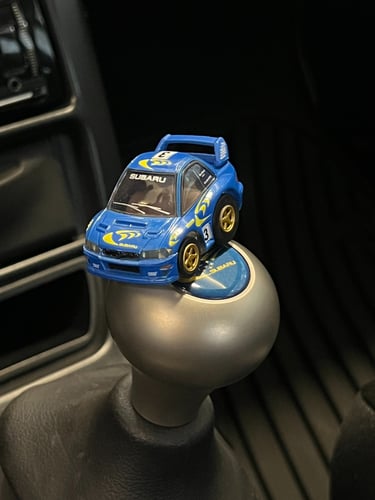
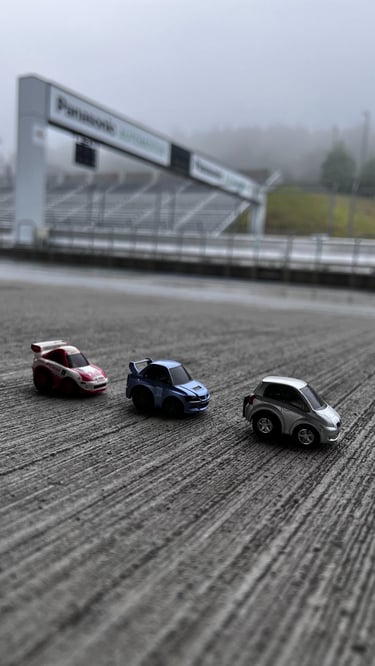
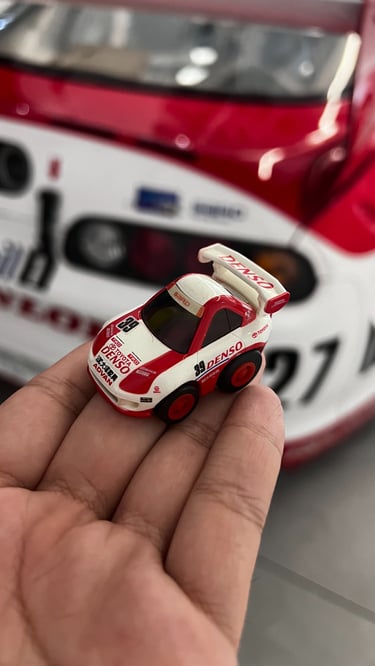
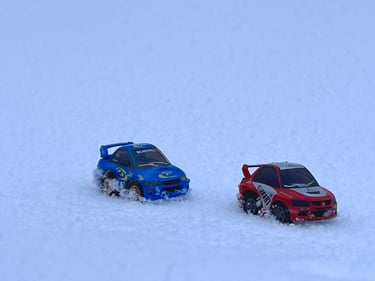
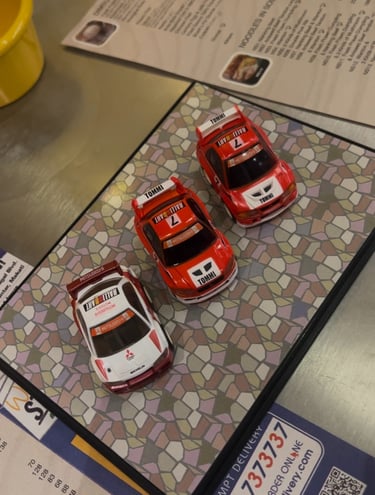
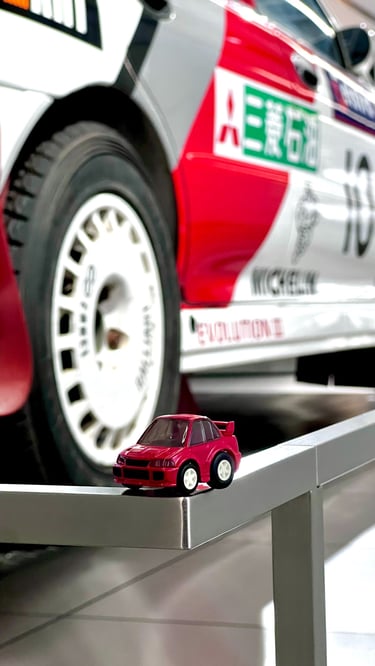
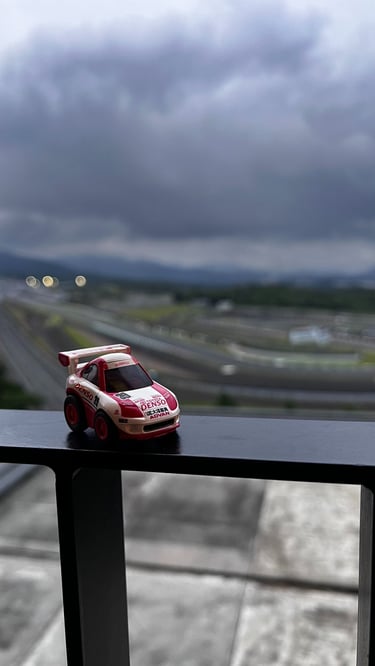
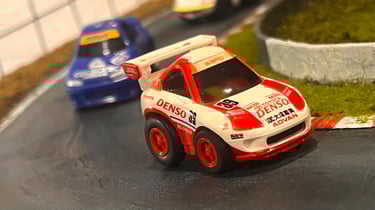
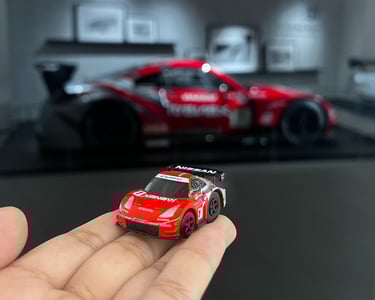
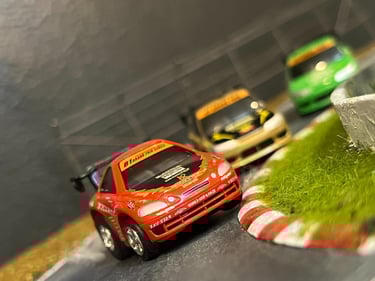
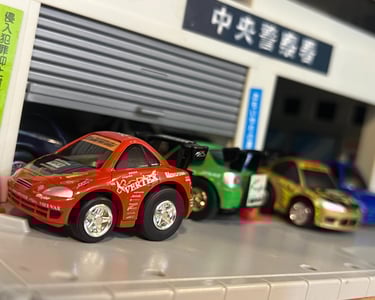
This inclusivity was further cemented with the collaborations Takara Tomy had with notable series in the car community. I’m the type of collector that loves replicating what you see in real life and car related media. Throughout the early 2000s collaborations with Super GT, D1GP, and various Rally teams brought us realistic yet fun cars to play with. There were models that you’re less likely to see these big brand manufacturers push out. Recently I’ve been having fun collecting these race cars because to me these are time capsules of how present these series were to fans and that’s the joy in these niche toy cars.
I take a look at what we have in stores nowadays and I barely bat an eye — frankly I’m disappointed. I was never that interested in making a profit out of “rare” toys or super detailed models. This is not to discredit the work that goes into building the actual cars behind the diecast models we have and the process of making them. I’m sure there is also joy in that process. But when you compare it to what we had? These weren’t just race cars with body kits and flashy liveries. There was a sense of connection and depth into these models.
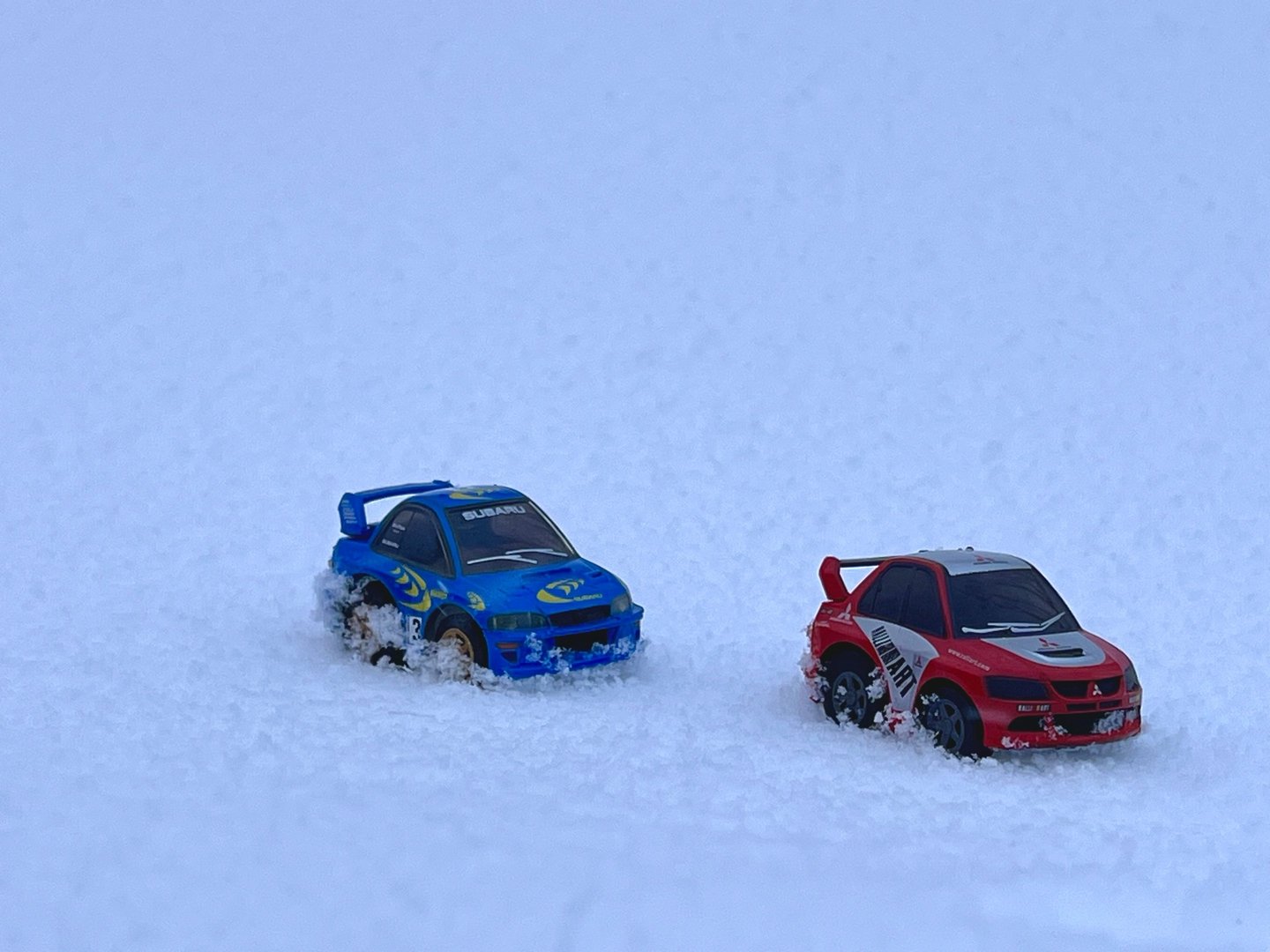
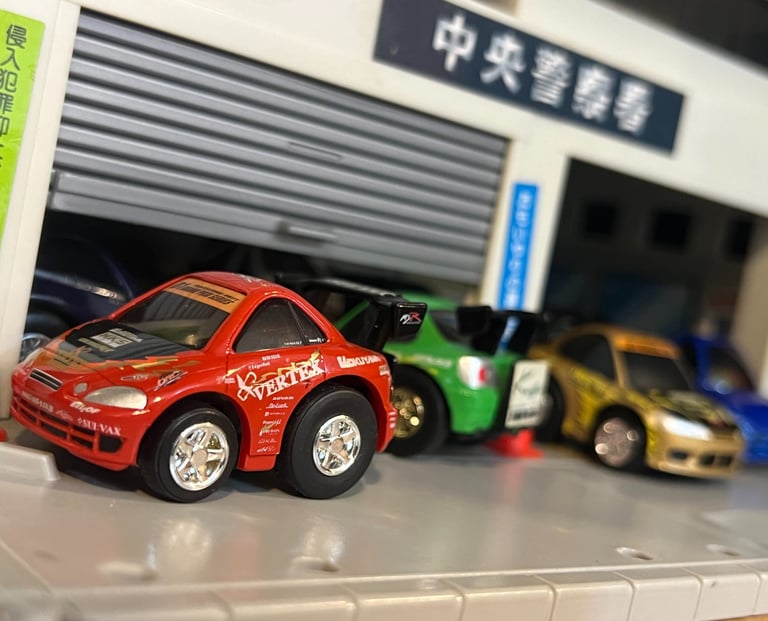
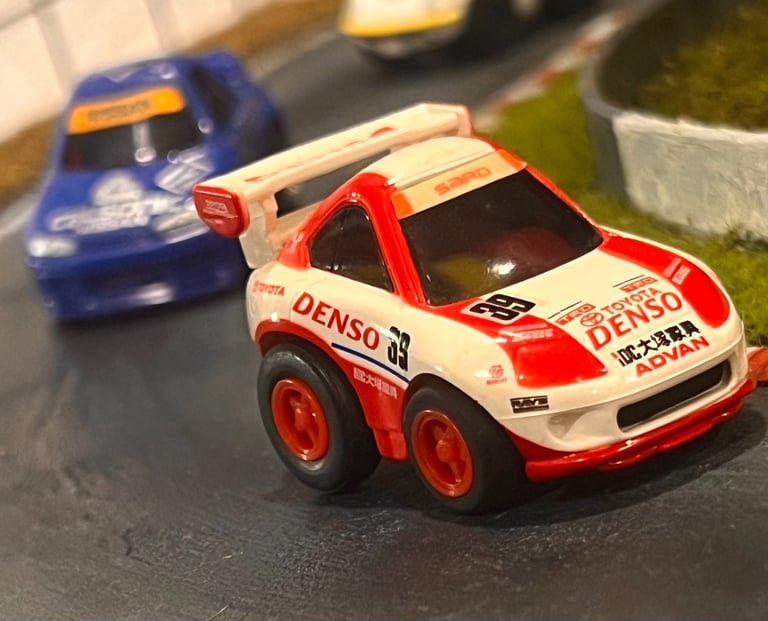
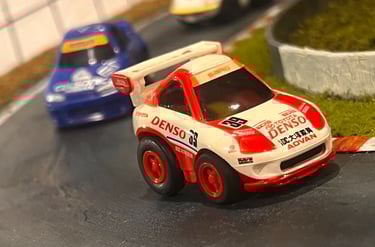
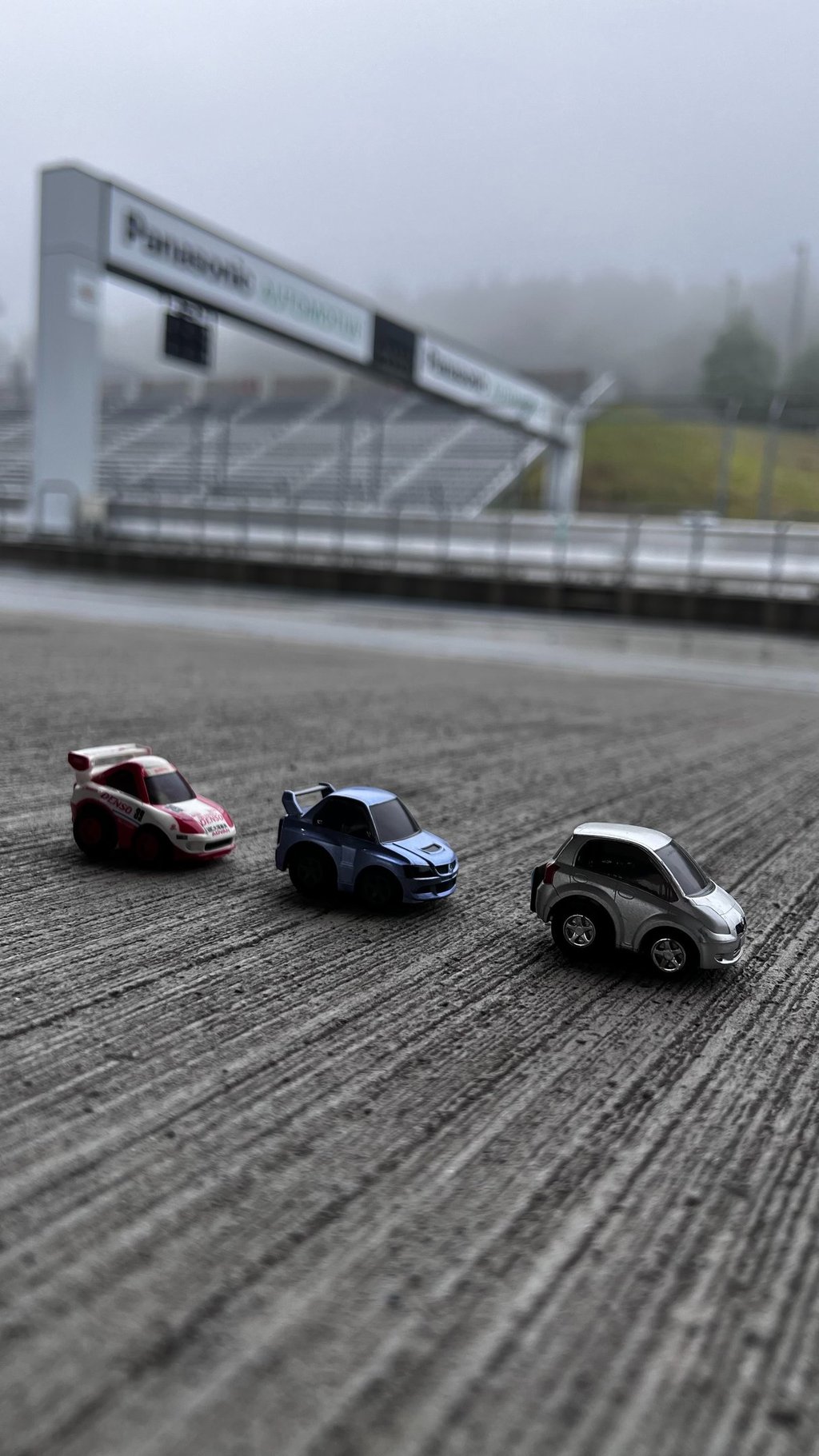
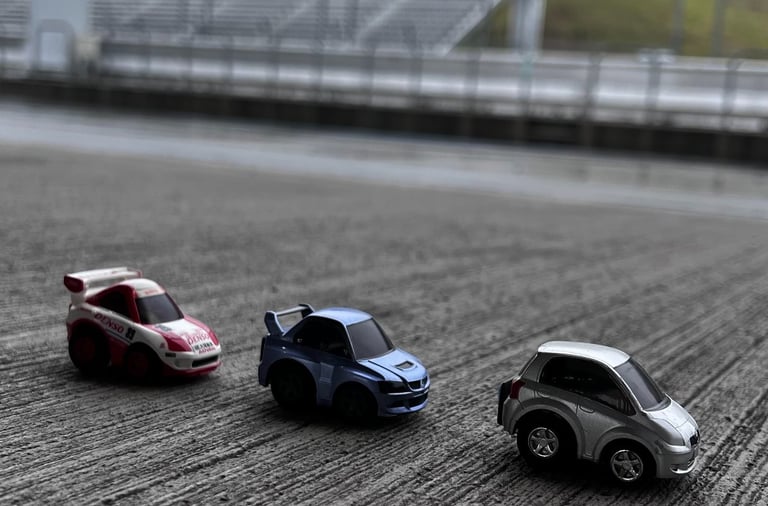
Although the standard Choro-Q line with regular releases and interesting collaborations aren’t as active as they were back in the day, they serve as a time capsule of an interesting time in automobile history — a time where cars were driven hard.
- Nathan Manalo
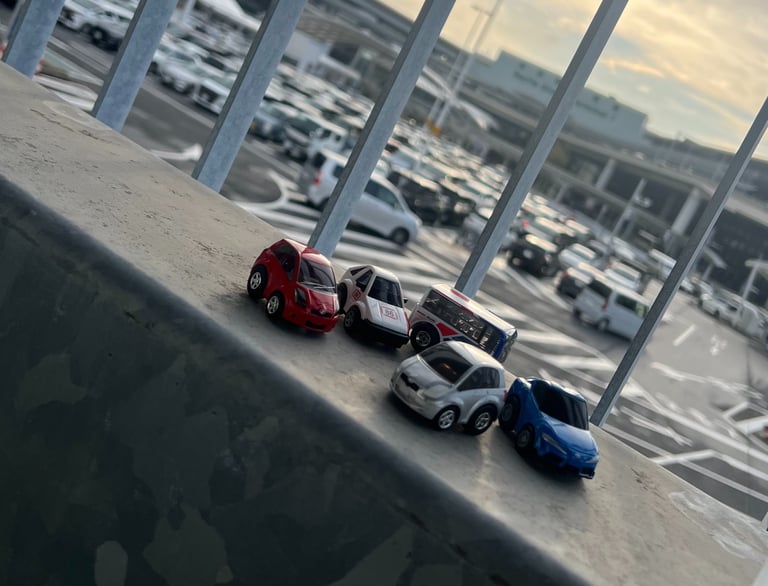
When I look at these tiny cars I see an era where brands, tuners, and series were more grounded and engaging with the community. A time where the same race cars you saw on TV can be with you wherever you go.
Gallery
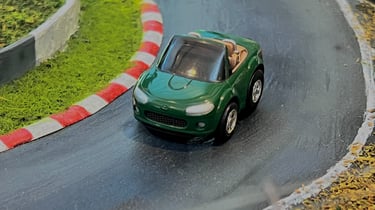
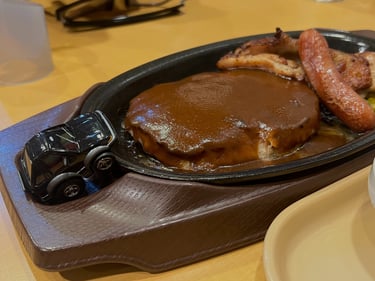
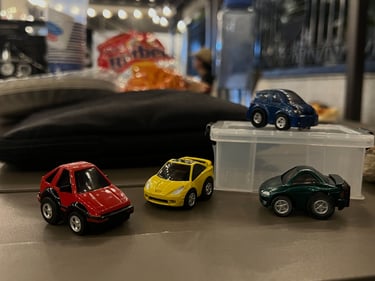
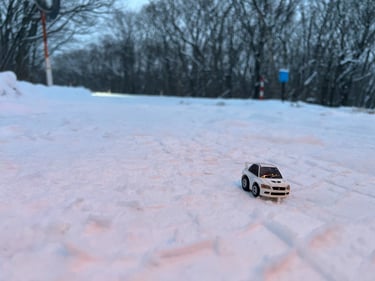
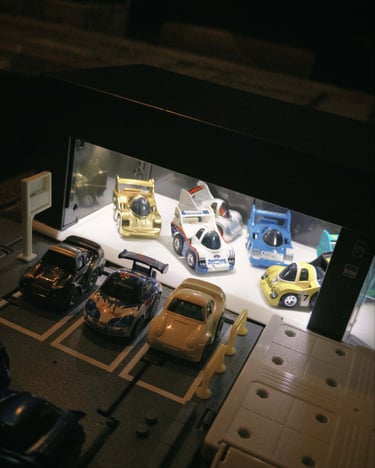
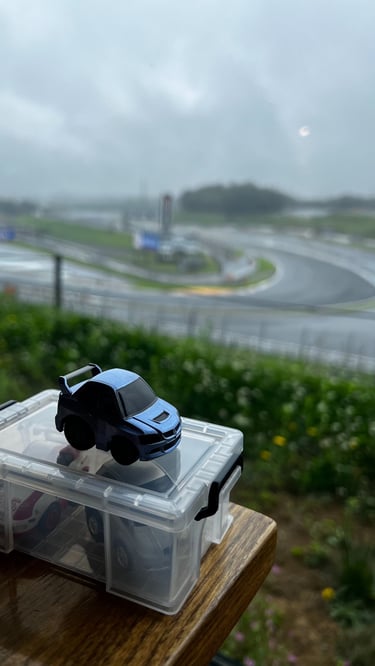
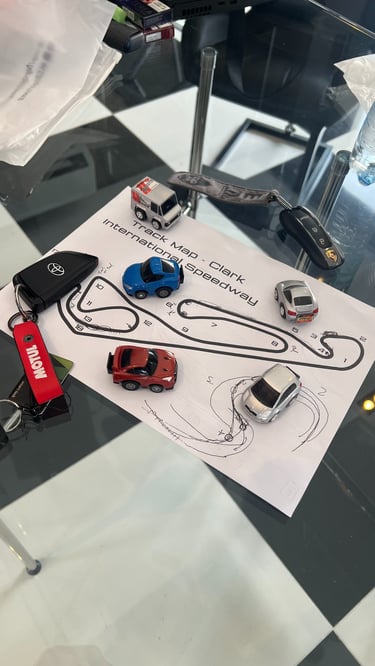
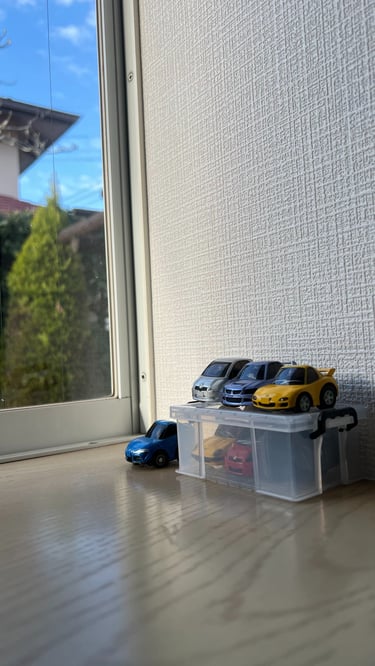
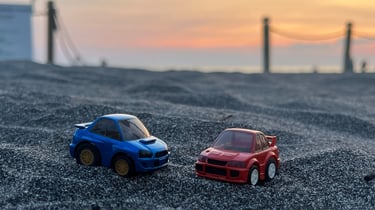
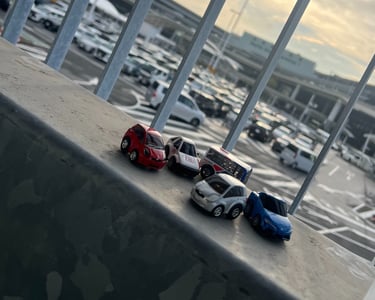
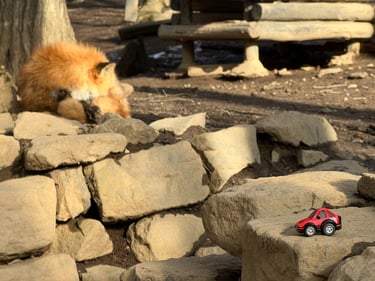
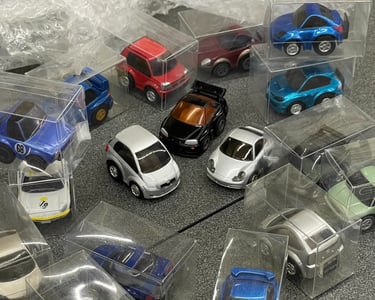
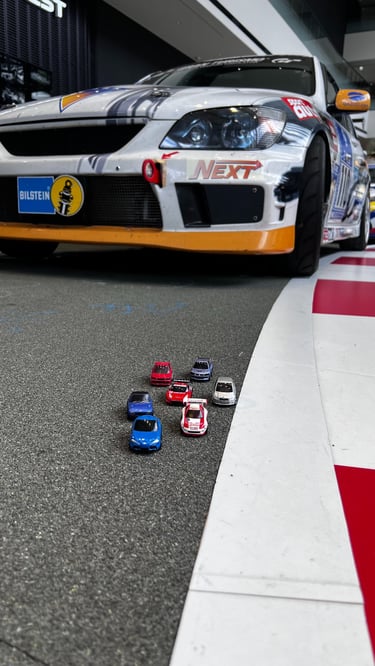
Featuring a collection of Choro Q's all around the world.